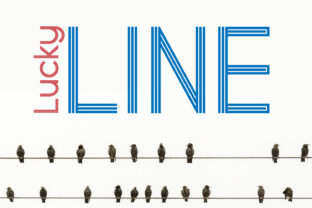
Lucky Line Font for Modern Monogram Design
As a web designer who's spent countless hours crafting digital experiences, I was drawn to Lucky Line as a display font with a modern charm that could elevate any project. When I first tested it on a mockup for a client's boutique packaging design, the results were instantly appealing—clean lines, subtle curves, and a balanced structure that felt both elegant and approachable. It’s the kind of Fonts that makes your brand stand out without shouting.
Lucky Line on Product Packaging and Branding
I used Lucky Line for a set of handcrafted candle labels, and the impact was immediate. The font’s Display style made the product feel more premium, while its modern charm gave it a fresh, relatable vibe. Whether you're designing for a small shop or an online store, this font adds a layer of sophistication to product packaging, tags, and branding materials. It pairs well with minimalist layouts and can be used effectively in both print and digital formats.
For boutique packaging, I found that Lucky Line works especially well when paired with a clean sans serif font for body text. This combination keeps the design readable while still maintaining that touch of personality. It’s also a great choice for seasonal products like holiday tags or summer-themed merchandise where a playful yet refined look is needed.
Lucky Line for Invitations and Stationery
When I designed a wedding invitation using Lucky Line, it transformed the entire layout. The font’s modern charm brought a sense of elegance to the event details, making them feel special and curated. It worked perfectly on both digital mockups and physical prints, and I noticed how it helped elevate the perceived quality of the invitations.
Whether you're creating greeting cards, planner pages, or printable wall art, Lucky Line brings a unique visual appeal that feels just right for stationery and editorial design. It’s not too ornate, but it has enough character to make your designs memorable. For those working with Cricut or Silhouette machines, the font cuts cleanly and looks sharp even on small stickers or labels.
Lucky Line in Digital Templates and Merchandise
I tested Lucky Line in a few digital template previews for Etsy sellers, and it performed exceptionally well. The font added a modern flair to everything from printable wall art to boutique tags. It’s particularly useful for short phrases, names, and titles—perfect for branding elements like logos or social media graphics.
For those looking to create digital downloads or SVG-style designs, Lucky Line is a solid choice. However, I recommend checking the included styles, alternates, ligatures, and weights before finalizing any commercial use. It’s important to ensure that the font supports all necessary characters and offers the right level of customization for your specific needs.
While Lucky Line shines in display settings, it may not be ideal for very tiny cuts or long paragraphs. If you're designing product labels with dense information, consider pairing it with a simpler font for readability. But for decorative wording, signs, or short phrases, it’s a top performer.
Lucky Line for Handmade Labels and Stickers
I recently used Lucky Line for a sticker sheet and was impressed by how well it translated to small-scale production. The font’s clean structure made it easy to read at smaller sizes, which is crucial for handmade labels and stickers. It maintained its clarity even when printed on matte finishes or textured surfaces, which is a big plus for crafters and makers.
When designing for tote bags or mugs, I found that Lucky Line added a nice touch of personality without overwhelming the design. It’s a versatile Fonts that can adapt to various materials and platforms, making it a valuable asset for anyone looking to enhance their product presentation and brand consistency.